Parikabmusirawas – For decades, the gaming hardware landscape rested on two pillars. On one side stood desktop PCs, offering unparalleled performance, graphical fidelity, and library access, but demanding a dedicated space and tethering players to a desk. On the other side sat consoles, providing convenience and exclusive franchises but sacrificing flexibility and often performance. The gaming laptop attempted to bridge this divide but compromised on battery life, weight, and thermal management. The emergence of handheld PCs has established a third pillar—a category that combines the library and flexibility of PC gaming with the portability and convenience of dedicated handheld devices.
The Third Pillar: How Handheld PCs Established a New Gaming Category
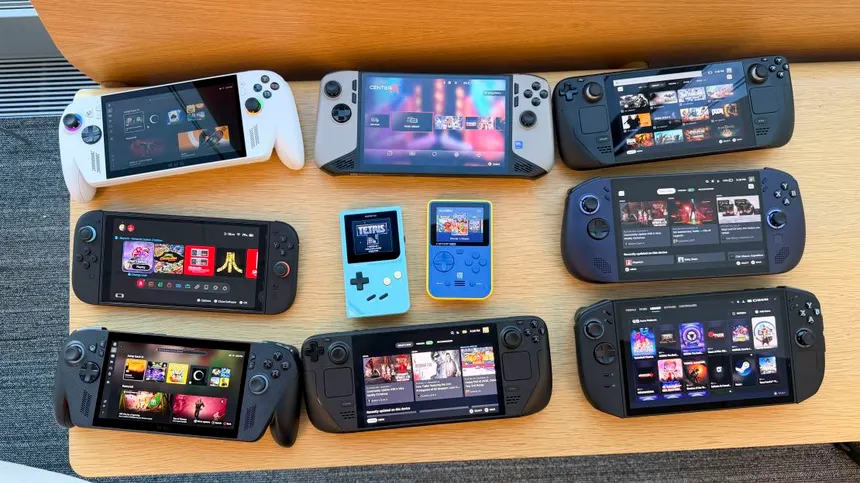
The defining characteristic of handheld PCs is architectural alignment. Unlike previous portable gaming devices that required developers to create specialized versions of games, handheld PCs run standard x86 processors and full desktop operating systems. This means the vast library of PC gaming—decades of titles spanning Steam, GOG, Epic, and other storefronts—is accessible without modification. A game purchased ten years ago runs on modern handheld PCs, and new releases are available simultaneously with desktop versions. This backward compatibility and library breadth represent a fundamental advantage over console-based handhelds.
The hardware evolution enabling this category has been remarkable. Early attempts at handheld PCs were hampered by thermal constraints, battery limitations, and the inefficiency of processors designed for laptops rather than handheld form factors. The past several years have seen processors specifically optimized for the handheld power envelope, delivering desktop-class performance within thermal designs suitable for palm-held devices. Integrated graphics have advanced to the point where modern handheld PCs run AAA titles at respectable settings, while less demanding indie games, strategy titles, and older releases perform flawlessly.
The ergonomic considerations of handheld PCs have matured alongside their internal components. Early devices prioritized power over comfort, resulting in bulky, heavy units that caused fatigue during extended sessions. Current designs reflect accumulated understanding of handheld ergonomics, with carefully contoured grips, balanced weight distribution, and controls positioned for natural hand positioning. Screen sizes have settled into a sweet spot between portability and immersion, with the 7-8 inch range becoming the category standard. Button and stick quality now rivals dedicated gaming controllers, addressing early criticisms of compromised input.
The software ecosystem surrounding handheld PCs has evolved dramatically. Early devices required users to navigate desktop interfaces designed for mouse and keyboard, creating friction in the handheld experience. Custom operating system layers now provide controller-friendly interfaces while maintaining full PC compatibility. Sleep and resume functionality, historically challenging on Windows devices, has improved significantly. Cloud save integration ensures seamless transitions between desktop and handheld play, allowing players to start a game on their main rig and continue on their handheld without interruption.
The audience for handheld PCs has expanded beyond early adopters. Enthusiasts were the first to embrace the category, valuing the technical flexibility and library access. Mainstream gamers have followed, attracted by the ability to play their existing game libraries in portable form. A new segment of players—those who found traditional gaming PCs intimidating or console gaming restrictive—has emerged, drawn by the accessibility of handheld form factors combined with the openness of the PC ecosystem.
Challenges remain for the category. Battery life continues to be the primary limitation; demanding games drain batteries in two to three hours, requiring careful power management for extended play. Price points remain elevated compared to dedicated gaming handhelds, reflecting the cost of x86 components and full Windows licensing. The complexity of PC gaming—driver updates, settings optimization, launcher management—persists in handheld form, creating friction for users accustomed to console simplicity.
Nevertheless, the establishment of handheld PCs as a third gaming pillar appears permanent. Major hardware manufacturers have entered the category, validating its commercial viability. Component manufacturers are developing specialized processors for handheld applications. The software experience continues to improve with each generation. For players who have long accepted the compromise between library access and portability, handheld PCs offer an unprecedented convergence. The third pillar has not merely arrived; it is rapidly becoming the preferred platform for a growing segment of the gaming population.